

Journey
- Art museum — interior design thesis
- ISDI Parsons, Mumbai
- 2022
An interior design thesis exploring how space shapes the way we perceive art. It begins with a set of deceptively simple questions: What is an art museum? Why do people go? Does the space in which an artwork is displayed actually change how we experience it? From these, the project reimagines the art museum as an environment rather than a container — a place that participates in the encounter with art rather than quietly stepping out of the way.
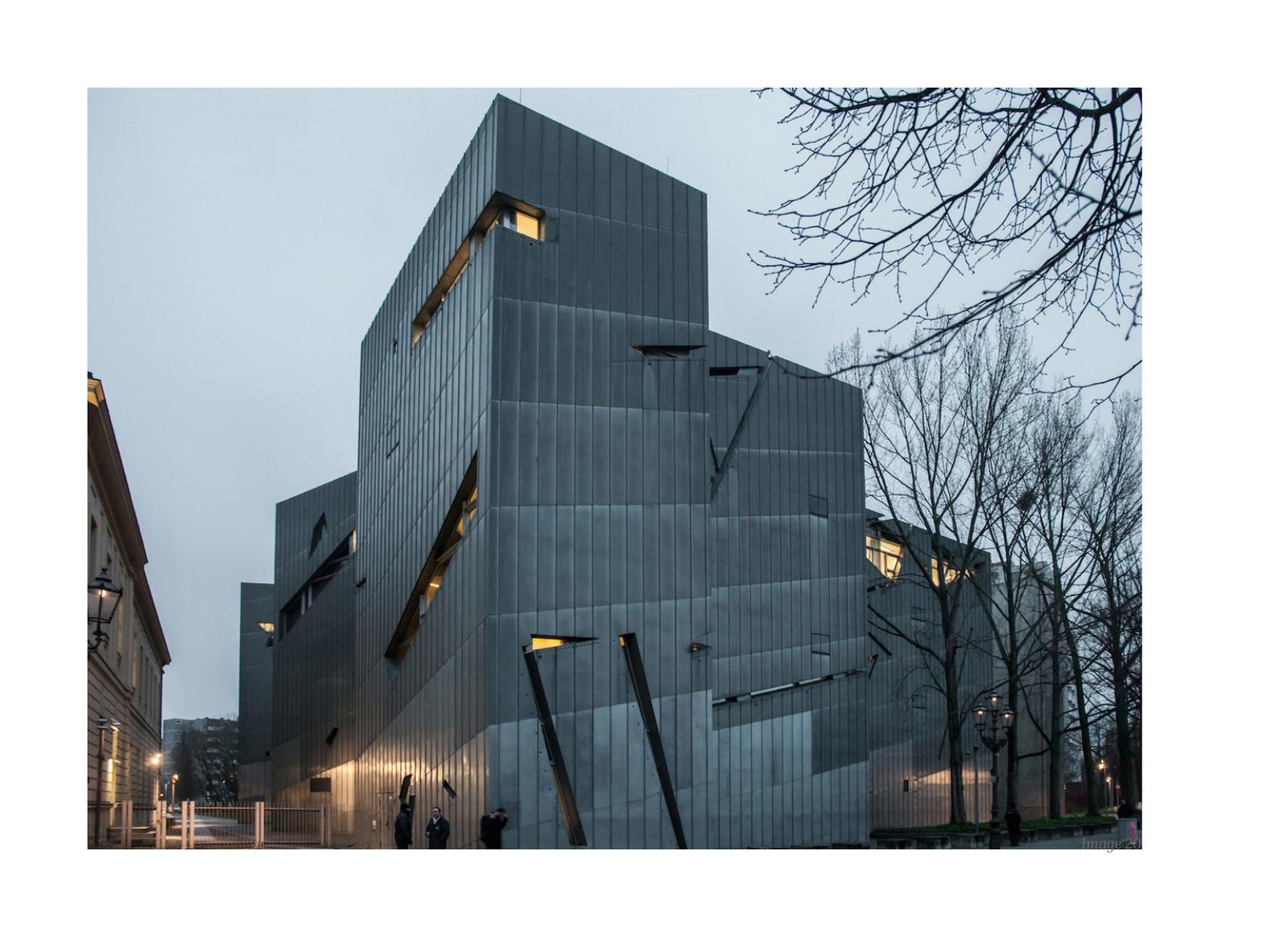
The Premise
The premise is that interiors have a real impact on the mind. Physical context becomes part of the perceived experience, and every experience is shaped by an individual’s interaction with their surroundings, both human and physical. Working from this idea, the thesis treats art as a form of communication that can be influenced by its setting, and the museum as the ideal environment for a person to respond to, and converse with, what they see. The aim was to design for encounters that feel less like didactic lessons and more like self-directed experiences — where visitors set their own pace, form their own readings, and share their insights with others.
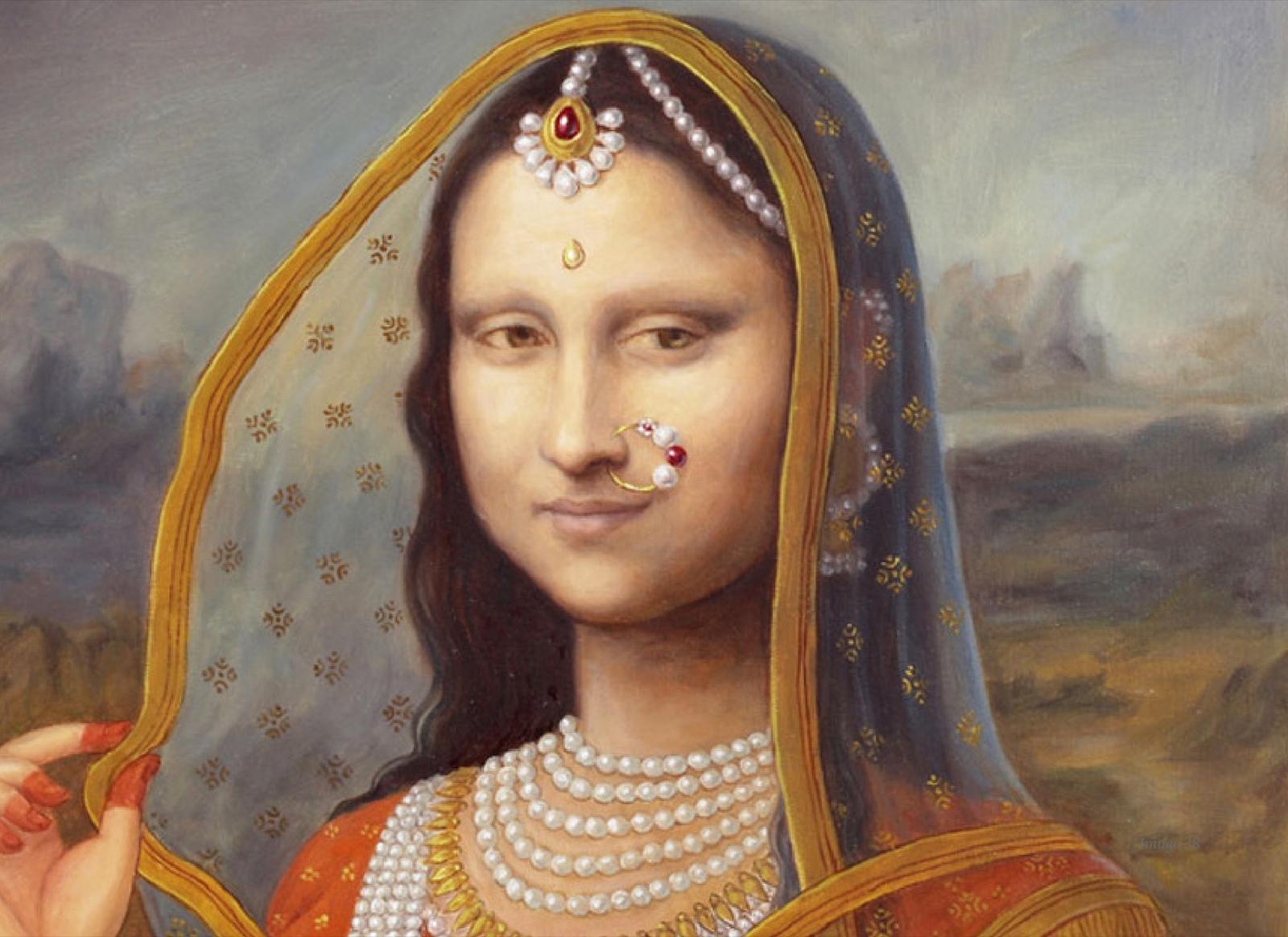
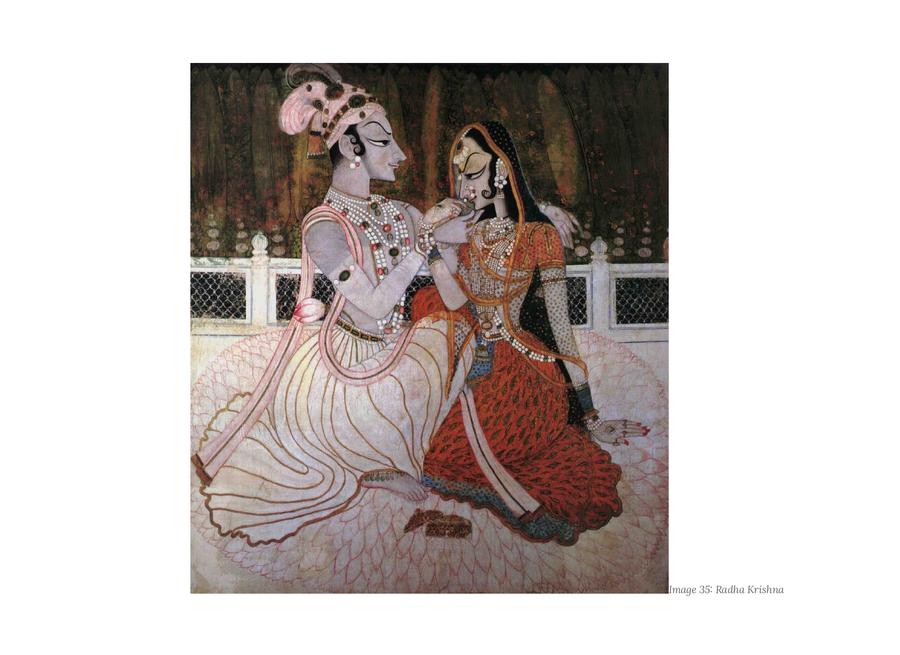
From the thesis book: the Mona Lisa re-imagined as an Indian bride — the same figure in a different setting becomes a different painting.
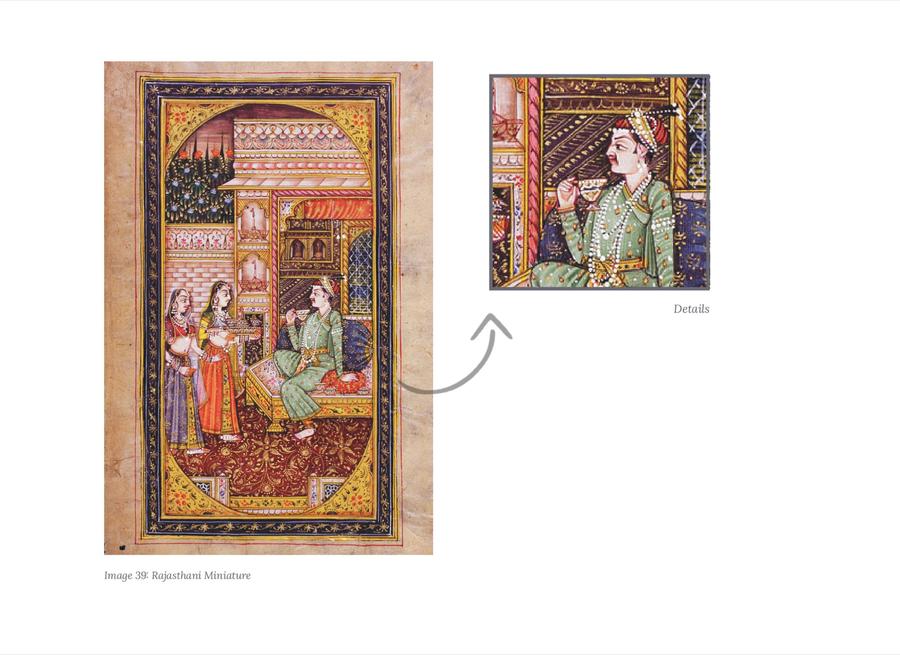
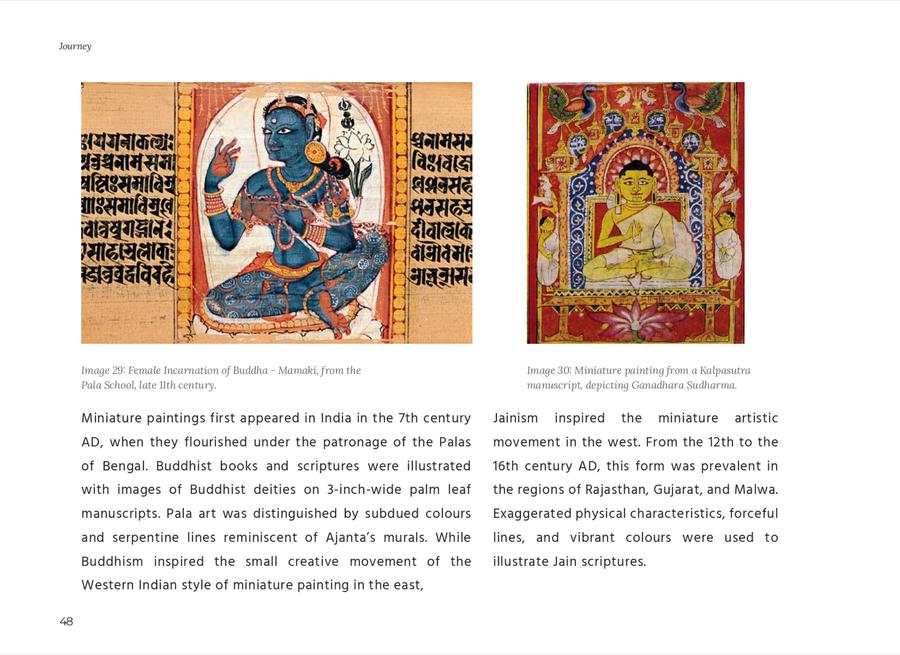
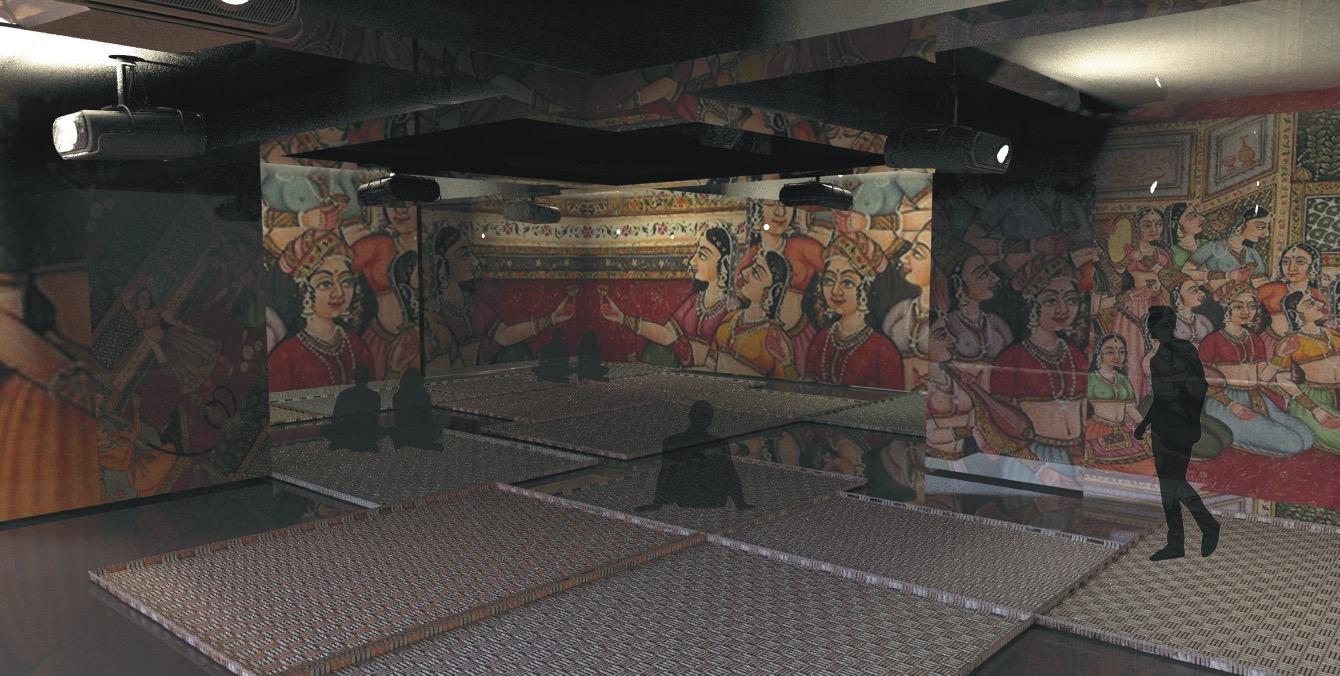
Museum spaces
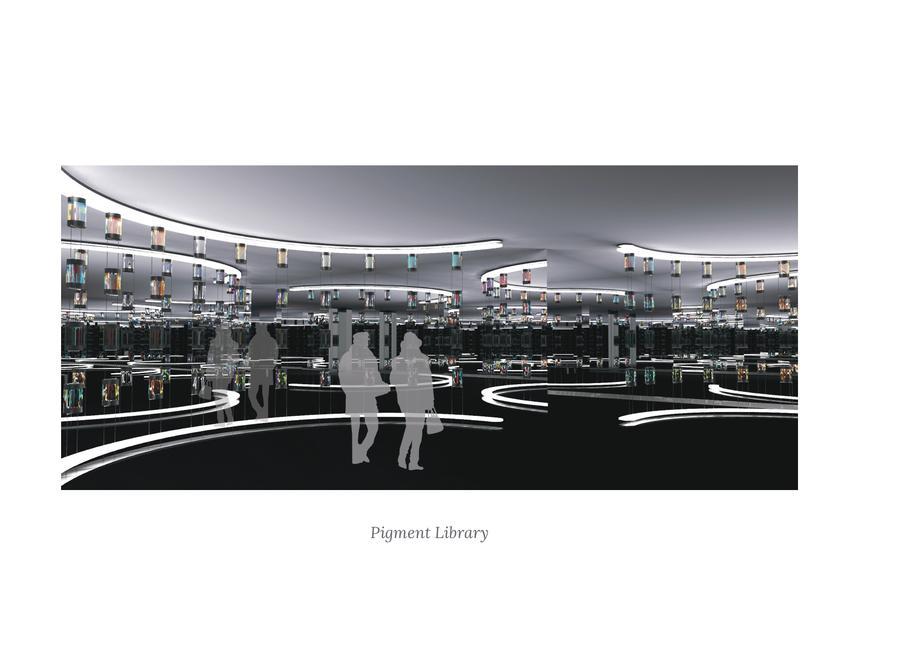
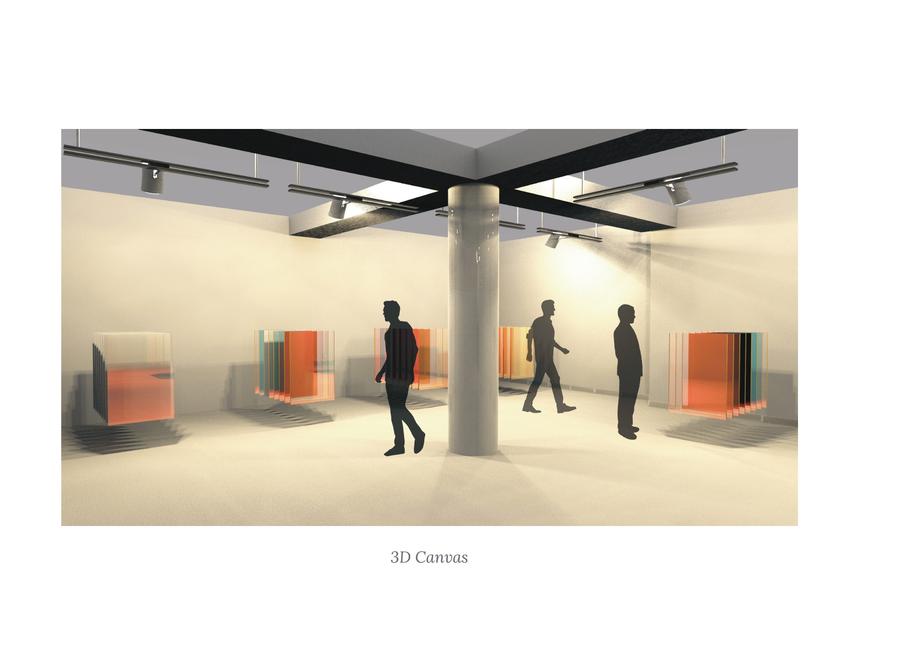
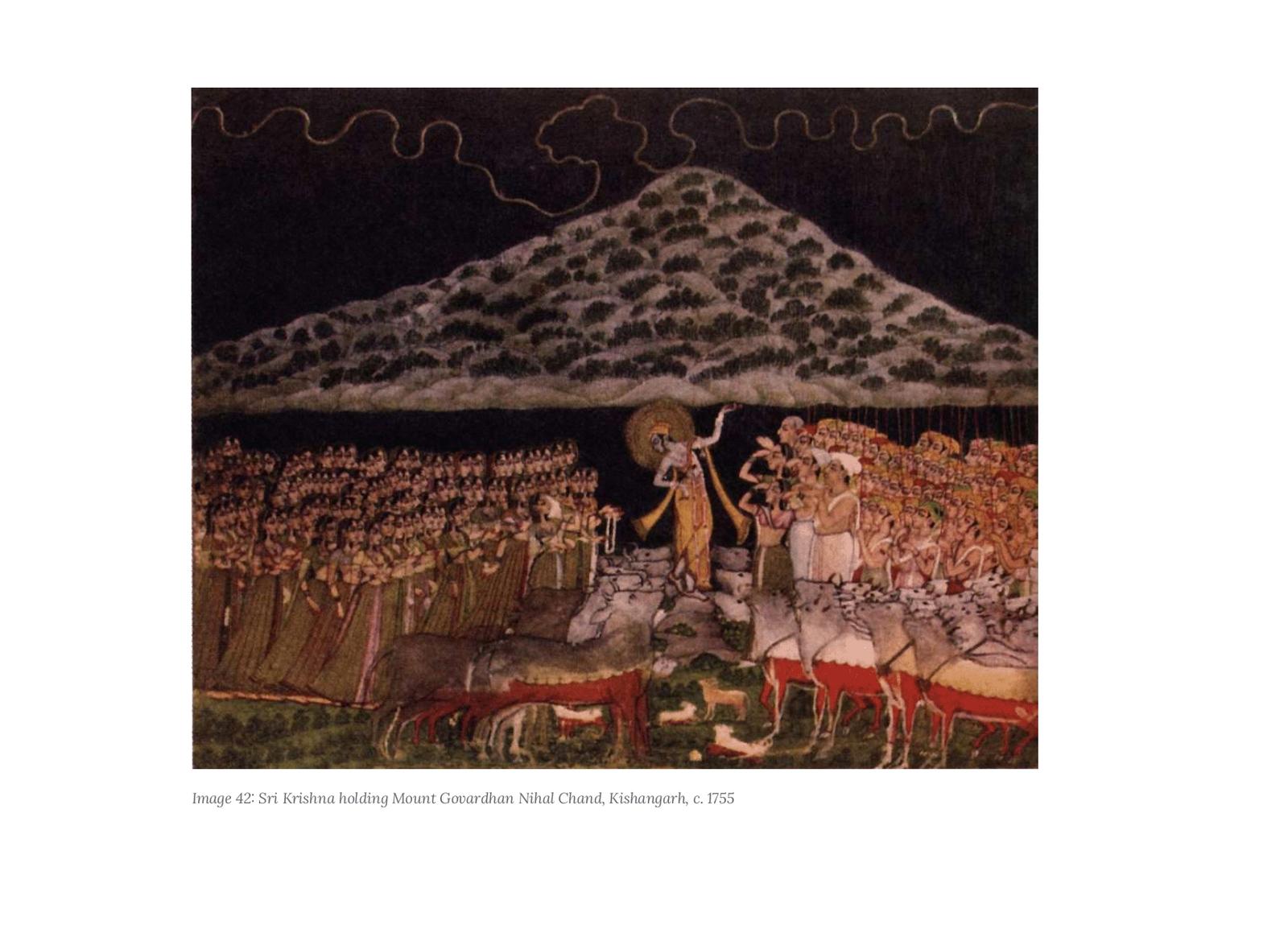
Plans, sections & palette
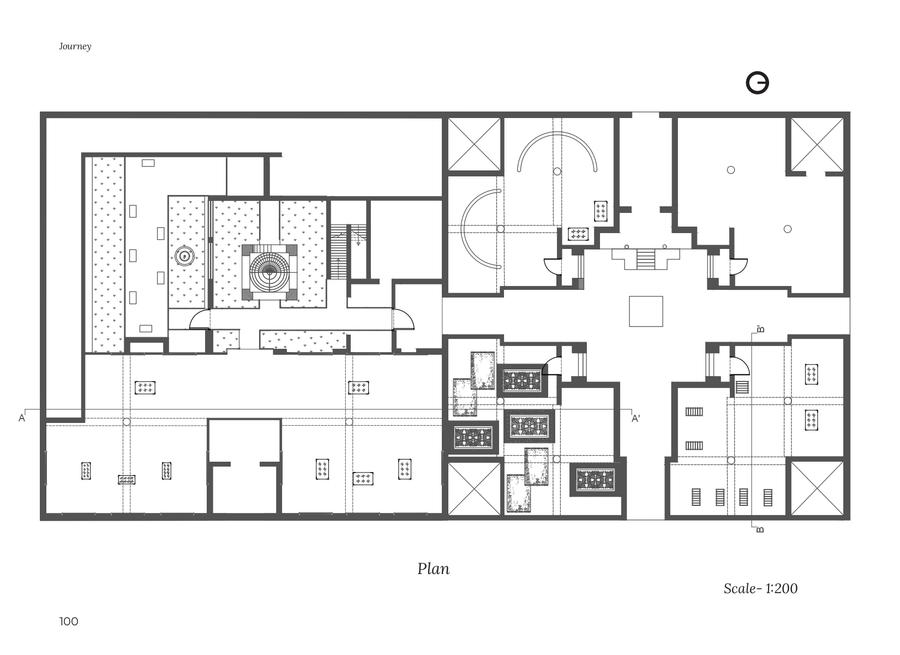
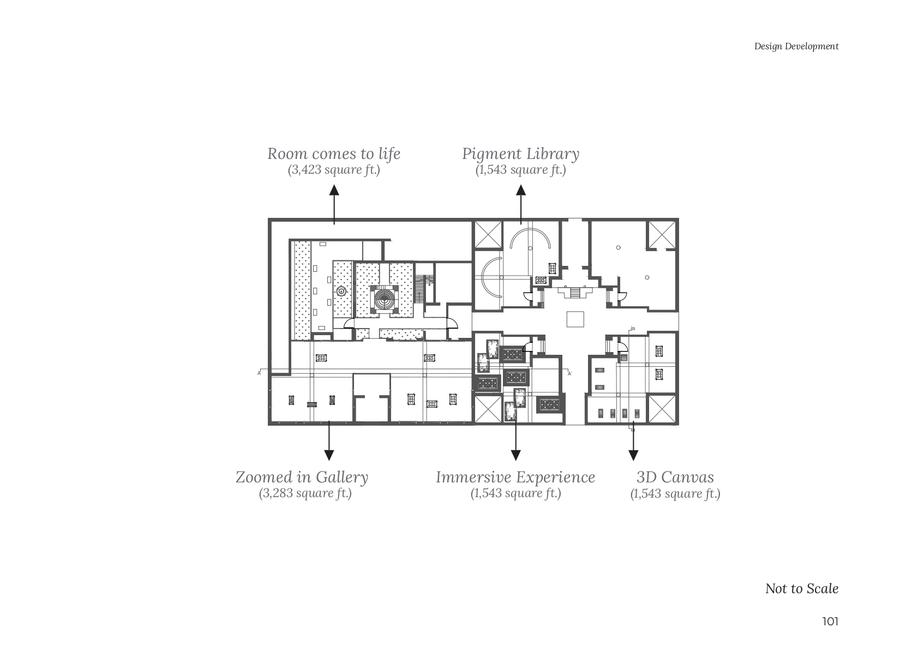
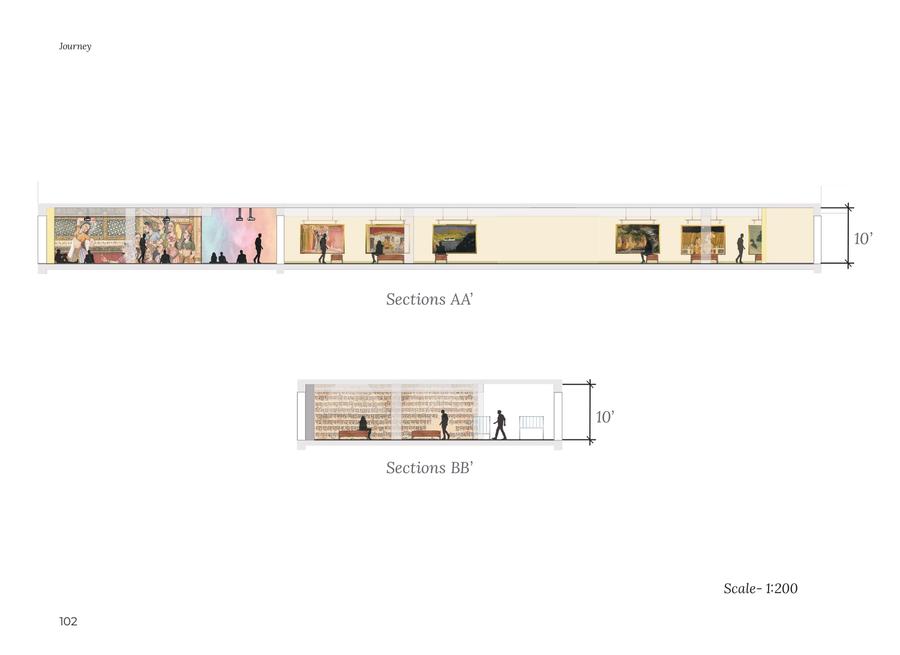
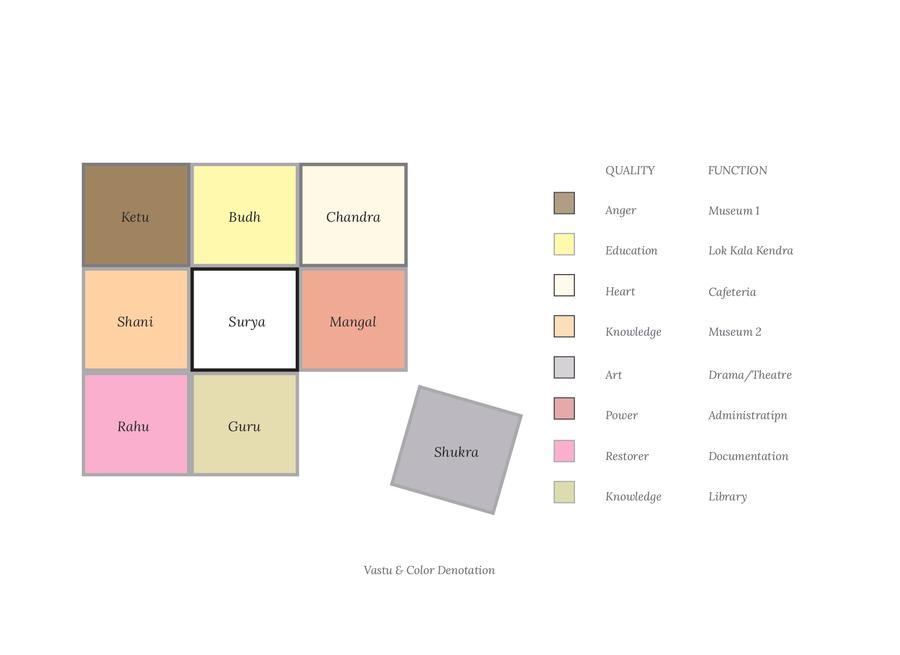
The Journey
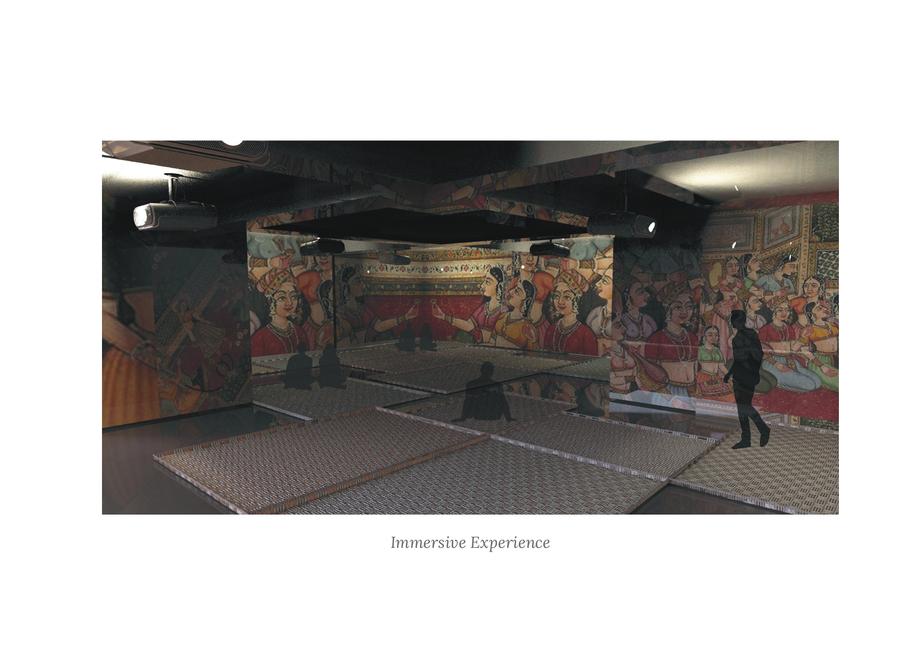
The result is a museum journey choreographed through space: a sequence of environments designed to help visitors explore, engage, contemplate, reflect, and understand. Understanding art and its perception is the point of departure and the crucial thread running through every design decision. Ultimately, the project positions the perception of space as an essential element of living with art — and the museum interior as inseparable from the art it holds.